


phcity | Exploring the Rich Tapestry of Port Harcourt: A Dive into Its Local History
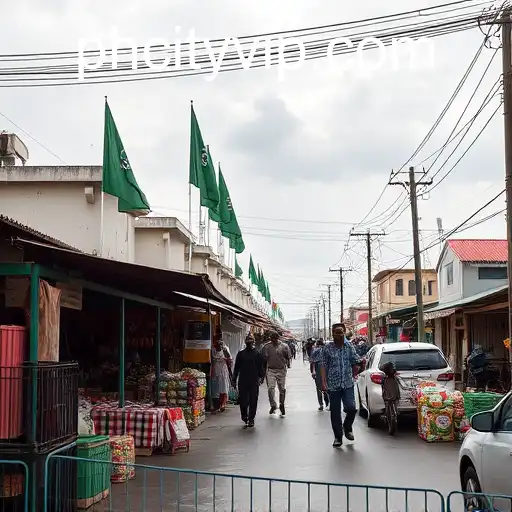
Port Harcourt, fondly referred to as 'PH City', sits as a vibrant testament to Nigeria's rich tapestry of history and cultural heritage. Nestled in the southeastern part of the country, Port Harcourt is not only the capital of Rivers State but also an economic powerhouse due to its strategic location and industrial significance. To truly understand the development of this bustling metropolis, one must delve into its storied past.
The foundation of Port Harcourt dates back to 1912, a time when Nigeria was under British colonial rule. The city was named after Lewis Vernon Harcourt, the then Secretary of State for the Colonies. Originally, Port Harcourt served as a critical hub for exporting coal which was mined from the colliery at Enugu. This laid the groundwork for its later expansion when the discovery of oil transformed the city into a nerve center of economic activities.
However, Port Harcourt’s history extends beyond its colonial roots and economic exploits. The area, predominantly inhabited by the Ikwerre and other ethnic groups, holds a deeply-rooted cultural significance. It's a location where traditional and modern lifestyles converge, fostering a unique environment of diversity and dynamism. Indigenous festivals, like the Yam Festival, illustrate the rich traditions that are still vibrantly alive today.
The city’s evolution from a small colonial outpost to a thriving city is also entwined with significant infrastructural development. Noteworthy sites like the Port Harcourt Wharf and its railway facilities were early indications of its logistic and commercial importance. Post-independence, the city witnessed rapid growth driven largely by its oil industry, attracting a diverse population that brought with it a blend of cultures and experiences.
As a modern city, Port Harcourt faces typical urban challenges, yet it remains a beacon of resilience and growth. Beyond its economic dimensions, the city takes pride in its educational institutions, vibrant arts scene, and rich culinary heritage, including its famous bole and fish delicacy.
Port Harcourt continues to evolve, firmly rooting itself as a city of significance within Nigeria. Its history is not merely a backdrop but an integral part of its identity, shaping its present and framing its future. For those interested in the convergence of history, culture, and modernity, Port Harcourt stands as a compelling subject of exploration.
